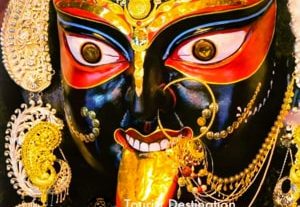
Village and Bonedi Bari pujas in Bankura and Purba Bardhaman districts embody Bengal’s esoteric Shakta heritage, where Tantric customs infuse aristocratic family rituals with mystical depth. These rural heartlands, far from Kolkata’s urban spectacles, preserve age-old worship of Kali, Durga, and Shakti forms through intimate, lineage-bound observances that blend zamindar opulence, folk artistry, and secretive sadhana practices.
Roots in Zamindar Legacy and Tantric Soil
Bankura’s red-laterite earth and Purba Bardhaman’s fertile plains have long nurtured Tantric lineages, with Bonedi Baris (aristocratic homes) serving as siddhapeeths (accomplished seats). In Bankura’s Sonamukhi and Saharjora, Kali clusters trace to medieval sadhus who invoked the goddess amid forested shamshanas, later patronized by merchant-zamindars. Purba Bardhaman’s Amadpur Chaudhuri Bari, a 375-year-old Durga Puja founded by influential Chaudhuris (900-year lineage), exemplifies this: rituals emphasize secret mantras, homa fires, and kumari puja, drawing from Kaula Tantra where the divine feminine is both household protector and cosmic annihilator. These pujas, often starting in the 17th-18th centuries, survived British land reforms through family vows, turning ancestral thakurdalans into living Tantric archives.
Signature Bonedi Baris and Their Tantric Rites
Amadpur Chaudhuri Bari (Purba Bardhaman)
This 375-year-old zamindar mansion hosts Durga Puja with Tantric precision: the goddess, flanked by esoteric yantras, receives midnight sadhya (Tantric feasts) of blood oranges, symbolic sacrifices, and rare herbs. Family priests chant unprinted pujas from palm-leaf granthas, invoking Shakti’s ten forms amid courtyard homkund fires. The immersion at dawn, with conch processions, seals the year’s siddhi accumulation.
Mankar Biswas and Kachari Baris (Purba Bardhaman)
Mankar’s twin Bonedi pujas—Biswas (200+ years) and Kachari—feature clay idols molded via pran pratishtha (life infusion) rituals. Tantric elements shine in sandhi puja alternatives like Kalyani homa, where village tantrics circumambulate the deity with damaru drums, ensuring crop fertility and warding village ailments.
Dasghara and Guskara Clusters (Purba/Paschim Bardhaman Border)
Dasghara’s Biswas and Roy Baris (150-300 years) emphasize shankha-bani (conch merchant) Tantra: Durga as Siddheshwari receives secret offerings of datura and bilva, with women-led kumari pujas blessing progeny. Guskara’s Chongdar Bari adds folk-Tantric fusion—puppet shows enact Devi Mahatmya while elders perform gopi chandan tilaks.
Bankura’s Village Kali Shrines
Bankura’s Kali worship, less documented in Bonedi lists but profoundly Tantric, thrives in Sonamukhi’s Kripamayee clusters and rural baris. Village pujas invoke Adya Kali via night-long japa, with idols from local terracotta masters bearing yantric inscriptions. These “hidden” Bonedi offshoots, like Saharjora’s Chattopadhyay lineages, sustain 150-year pujas blending agrarian vows with esoteric sadhana.
Tantric Customs: Mystique in Motion
These pujas distinguish themselves through Tantric hallmarks:
-
Panchamakara Echoes: Symbolic use of “five Ms” (madya, mamsa, matsya, mudra, maithuna) via fruits, roots, and meditative pairings.
-
Yantra and Homa: Floor mandalas precede idol installation; perpetual dhuni fires invoke Agni Shakti.
-
Kumari and Secret Mantras: Virgin girls embody Devi; unshared bijas ensure family siddhi.
-
Immersion Mysticism: Visarjan at sacred tirthas, with ashes smeared for protection.
Women dominate as ritual keepers, their bratas channeling Shakti for household potency, reflecting Bengal’s matrilineal Tantra under patriarchal facades.
Cultural Tapestry and Village Life
Bonedi pujas animate rural festivals: dhak rhythms herald Kartik/Poush observances, while pithas and gur bhogs fuel all-night kathas. Artisans craft Bankura-style horses as vahanas, terracotta plaques depict Tantric devis. These baris double as cultural hubs—genealogies recited, folk operas staged—preserving pre-colonial ethos amid modern exodus.
Challenges and Enduring Flame
Land fragmentation threatens thakurdalans, yet digital mapping and heritage stays revive interest. Younger scions blend apps with agamas, ensuring Tantra’s survival. For visitors, these pujas offer unfiltered Bengal: dawn fog over courtyards, incense veils hiding sacred fires, chants piercing village silence.