As the crimson sun rises on Tuesday, April 14, 2026, the streets of West Bengal, Tripura, and Bangladesh will be adorned with intricate Alpona (sacred floor art) and the scent of fresh marigolds. Poila Baisakh, the Bengali New Year, is more than just a date on the calendar; it is a profound cultural rebirth. Marking the first day of the month of Baisakh, it is a day where the “City of Joy” and the rural heartlands of Bengal unite in a symphony of new clothes, soul-stirring music, and the sacred Hal Khata puja.
In 2026, the celebration carries a special weight as communities embrace a blend of modern aspirations and deep-rooted Vedic traditions. Whether you are a business owner seeking a prosperous year or a traveler looking to experience Bengal’s hospitality, this guide covers everything about the Nabo Barsho festivities.
1. The Significance: Why We Celebrate Poila Baisakh
The Bengali calendar, or Bangabda, was reportedly introduced by Emperor Akbar to synchronize tax collection with the harvest season. Over centuries, it has evolved into the definitive cultural identity of the Bengali people.
-
A New Beginning: “Poila” means first and “Baisakh” is the first month. The day symbolizes the casting away of the old year’s sorrows and welcoming a fresh start.
-
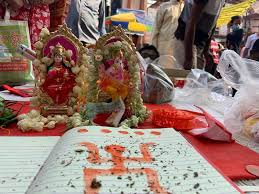
Lord Ganesha and Goddess Lakshmi: The day is dedicated to the deities of wealth and wisdom. It is believed that worshipping them on this day ensures a year free of obstacles and full of financial stability.
2. The Heart of the Festival: Hal Khata and the Ganesh-Lakshmi Puja
For the Bengali business community—from the jewelers of Bowbazar to the book sellers of College Street—Poila Baisakh is the most important fiscal day.
The Ritual of Hal Khata
“Hal Khata” literally translates to “opening a new ledger.”
-
The Puja: Traders bring their new account books to temples, most notably the Kalighat Temple and Dakshineswar, to be blessed by the priests. A vermillion Swastika is drawn on the first page, and the books are sprinkled with holy Ganges water.
-
Customer Relations: In a beautiful tradition of “Chaitra Sale” ending and New Year beginning, shopkeepers invite their regular customers to settle old debts and start a new record.
-
The “Mishti” Box: No Hal Khata is complete without the distribution of a packet of sweets (Mishti) and a Bengali calendar to customers. It is a day where the commercial bond turns into a familial one.
3. Poila Baisakh 2026: Traditions to Follow
Prabhat Pheri and Cultural Processions
The day often begins with Prabhat Pheri—early morning processions where people dress in traditional white and red attire, singing Rabindra Sangeet like “Eso Hey Baisakh” (Come, O Baisakh). In Bangladesh, the Mangal Shobhajatra (a UNESCO-recognized colorful parade) is a breathtaking sight of massive masks and floats.
The Traditional Attire
In 2026, the trend remains “Classic Bengali.”
-
Women: Typically wear a Gorod Saree (white with a red border) or a vibrant Handloom Saree, adorned with gold jewelry and a large red bindi.
-
Men: Opt for a traditional Dhuti-Panjabi (Dhoti and Kurta), often in shades of white, cream, or saffron.
4. The Grand Bengali Feast: Nabo Barsho Special Menu
Food is the language of love in Bengal, and Poila Baisakh is the ultimate “cheat day.”
-
Breakfast: Typically starts with Luchi (puffed bread) and Alur Dom (spicy potato curry) or Cholar Dal.
-
The Lunch Thali: A grand spread featuring:
-
Shukto: A bitter-sweet vegetable medley to start.
-
Mochar Ghonto: Banana blossom curry.
-
Basanti Pulao: Sweet, saffron-scented rice.
-
Kosha Mangso: Slow-cooked spicy mutton.
-
Machher Jhol: Traditional fish curry (often Ilish or Chital).
-
Payesh: Rice pudding to end the meal on a sweet note.
-