In the heart of North Kolkata, where the narrow lanes of Jorasanko whisper tales of 18th-century grandeur, stands a palatial mansion that becomes the epicenter of spiritual elegance every spring. While the city’s autumn Durga Puja is a roar of commercialism, the Basanti Puja at the Daw Family Rajbari (Narsingha Chandra Daw family) is a symphony of tradition, gold, and deep-rooted Bengali heritage.
As we approach March 2026, the “Thakur Dalan” (altar courtyard) of the Daw Bari is being scrubbed to a shine. For those who seek the “Original Durga Puja” in its most aristocratic and authentic form, the Basanti and Annapurna Puja 2026 at this historic residence is an unmissable pilgrimage.
1. The Legacy: Why the Daw Family Basanti Puja is Unique
The Daw family, historically renowned as successful merchants of spices and later as pioneers in the firearms business (N.C. Daw & Co.), established their Basanti Puja over a century ago.
-
The “Original” Worship: Basanti Puja is the Basant-kaal (spring) worship of Goddess Durga, initiated by King Suratha. The Daw family has maintained this “untimely” (as per the autumn calendar) yet Vedic-ally primary puja with meticulous detail.
-
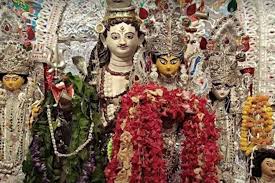
The Golden Chalchitra: One of the most breathtaking sights at the Daw Rajbari is the Gold-embellished Chalchitra (the backdrop of the idol). The family is known for adorning the Goddess with exquisite gold and silver jewelry that has been passed down through generations, reflecting the “Bonedi” (aristocratic) wealth of old Calcutta.
2. Annapurna Puja 2026: The Goddess of Jorasanko
Within the festivities of Basanti Puja, the Daw family also observes Annapurna Puja, which falls on the Ashtami of the Chaitra Navratri. In 2026, this falls on Friday, March 27th.
-
The Imagery: Unlike the ten-armed Durga, Goddess Annapurna is seen as the serene provider. In the Daw household, she is worshipped with a silver ladle and a golden pot, symbolizing that no one who enters their “Dalan” shall return hungry.
-
The Seva: The Annapurna Puja here is not just a ritual; it is an act of communal feeding. The Annakoot (mountain of food) offered to the Goddess is a spectacular display of Bengali culinary heritage.
3. What to Expect at Daw Bari in March 2026
The Architecture of Devotion
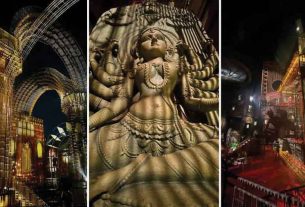
The Daw Rajbari is a classic example of Colonial-Bengali architecture. The massive courtyard is surrounded by soaring pillars and emerald-green shutters. During Basanti Puja, the Thakur Dalan is decorated with traditional chandeliers and hand-drawn Alpona (sacred floor art), creating an atmosphere that transports you back to the 19th century.
The Dhaki and the Rituals
The sound of the Dhak (traditional drum) in the enclosed courtyard of a North Kolkata Rajbari is an acoustic experience unlike any other. The echoes of the drums during the Sandhi Puja (the transition between Ashtami and Navami) at the Daw Bari are legendary, drawing photographers and culture enthusiasts from across the globe.