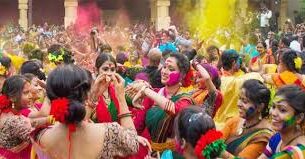
Makar Sankranti 2026 falls on January 14th (Wednesday), marking the auspicious solar ingress into Capricorn (Makara Rashi) and ushering in the northward journey of the Sun (Uttarayana). In West Bengal, this pan-Indian festival is celebrated as Poush Parbon or Poush Sankranti—the joyous culmination of the Bengali month of Paush (Poush)—a harvest thanksgiving blending ancient Vedic rites, agrarian gratitude, and mouthwatering traditions centered around pithas and date palm jaggery. As the current date is January 13, 2026, preparations are in full swing across villages, towns, and cities, with homes fragrant from fresh rice flour and gur.
Astronomical and Spiritual Significance
Makar Sankranti heralds the end of the winter solstice period (Dakshinayana) and the start of six months of waxing daylight, symbolizing victory of light over darkness, knowledge over ignorance, and prosperity over scarcity. In Vedic astronomy, it aligns with the Sun’s entry into Makara nakshatra, a moment considered ideal for new beginnings, charity (tarpan), and Surya worship. Bengal’s Poush Parbon ties this cosmic event to the Nabanna (new rice) harvest, where farmers honor the Sun god (Mitra or Surya) for bountiful yields and invoke Lakshmi for household wealth. Spiritually, it’s a day for ritual baths in sacred rivers like the Ganga, tilak with cow dung paste, and offerings to ancestors—cleansing sins and ensuring karmic renewal. In 2026, with the tithi falling on a Wednesday (Budhvar), astrologers predict heightened auspiciousness for resolutions and family bonds.
Traditional Rituals and Customs in Bengal
Preparations begin days ahead: homes are whitewashed, courtyards swept, and entrances adorned with alpana (rice flour rangolis) depicting lotuses, swastikas, and Sun motifs. On Sankranti eve, women perform Ganga Snan (holy bath) if possible, or sprinkle Ganga jal at home. Dawn breaks with Surya Puja: facing east, families offer water, sesame seeds, jaggery, and banana leaves to the rising Sun, chanting mantras for health and longevity.
Lakshmi Puja follows, with the goddess invited into clean homes via rice stalks and mango leaves at the door—symbolizing abundance. Tarpan for pitris (ancestors) involves sesame, water, and pindas by the Hooghly or local ponds. Charity is paramount: sadhus and the needy receive til-dahi (sesame-curd), new clothes, and coins, fulfilling the proverb “Tiller doodh, tel tel” (Sesame for oil, curd for grace). In rural Bengal, kite-flying (dop khela) over fields invokes bountiful rains, while urban areas like Kolkata see community feasts.
The Culinary Heart: Pithe Parbon
Poush Parbon’s soul is pithe—steamed, fried, or sweet rice cakes made from bhuna bhaja (parched rice), fresh date palm gur (khejurer gur), coconut, and milk. Over 50 varieties grace tables:
-
Patishapta: Crepe-like rolls stuffed with coconut-gur, fried golden.
-
Bhapa Pitha: Steamed rice envelopes with sweet fillings, evoking village hearths.
-
Ranga Alur Pitha: Red potato mash shaped into discs, shallow-fried crisp.
-
Chita Pitha: Diamond-patterned steamed delights, symbolizing prosperity.
Gur payesh (jaggery rice pudding) and dudh puli (milk dumplings) complete the feast, shared with neighbors in a ritual of abundance. In 2026, with abundant winter gur harvests reported, expect lavish spreads symbolizing nature’s generosity.
Regional Variations Across Bengal
In Hooghly and Serampore, colonial-era Bonedi Baris host grand Lakshmi pujas with European-Bengali fusion feasts. Bankura and Purulia feature tribal Tusu songs and stick dances praising the harvest goddess. Kolkata’s P.C. Sorcar Street sees magic-infused kite festivals, while rural Bardhaman emphasizes gamcha (towel) swings for children. Across districts, the Ganga’s ghats pulse with aartis, lamps floating like stars on the river.
Makar Sankranti 2026: What to Expect
This year’s Sankranti aligns with Pushya Nakshatra, amplifying muhurta potency for investments and marriages. Expect record pilgrim footfalls at Ganga Sagar Mela (Sagar Island), where millions converge for holy dips post-Sankranti. Eco-conscious twists—like organic pithas and plastic-free riverside cleanups—reflect modern awareness. Digital celebrations via live aartis and virtual pithe recipes will connect diaspora Bengalis.
Cultural and Modern Relevance
Poush Parbon transcends religion, uniting Hindus in harvest joy and environmental mindfulness—celebrating sustainable farming amid climate challenges. It reinforces family ties through intergenerational cooking and storytelling, preserving folklore of Surya’s benevolence. For youth, it’s a cultural reset: kite-flying apps track winds, while gur markets buzz with artisanal stalls.
Conclusion
Makar Sankranti 2026 as Poush Parbon reaffirms Bengal’s timeless rhythm: Sun’s ascent mirroring human resilience, pithas nourishing body and soul, rituals bridging ancestors and future. Amid global uncertainties, this festival whispers hope—light returns, harvests endure, and sweetness prevails. Celebrate by rising early, offering arghya to Surya, and sharing a plate of steaming patishapta. Tiller doodh, prosperity awaits!