Nestled in the historic locality of Ramrajatala in Howrah, West Bengal, the Ramrajatala Kali Temple is a revered spiritual center with a history spanning over 300 years. This temple is intimately linked with the local traditions of Kali Puja and holds a special place in the religious landscape of West Bengal, blending deep Tantric roots with community devotion and cultural heritage.
Historical Background and Significance
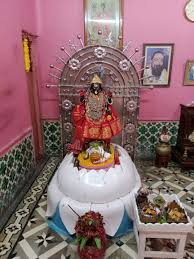
Established around the late 17th to early 18th century, the Ramrajatala Kali Temple was originally built by the local zamindars, notably the descendants of Ayodhyaram Choudhury, who was inspired by divine visions. Legend has it that Ayodhyaram received divine instructions to worship Kali, which led to the construction of the temple on the banks of the Saraswati River. The deity’s fierce form, symbolizing destruction of evil and protection, has been venerated by generations of locals.
The name “Ramrajatala” originates from the period when the temple’s founder intended to establish a place of worship for Lord Rama as well, but the powerful Kali idol took center stage, overshadowing other divine forms. Over the centuries, the temple grew in size and importance, becoming a hub for Tantric rituals, festivals, and community gatherings.
Spiritual and Ritual Practices
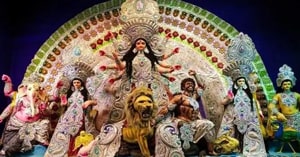
During Kali Puja, which coincides with Diwali, the Ramrajatala Kali Temple witnesses an influx of devotees from across Bengal and neighboring states. The rituals are conducted with age-old Tantric practices, including midnight pujas, offerings of red flowers, animal sacrifices (in adherence to traditional beliefs), and recitations of mantras. The goddess is worshipped as a fierce protector and purifier, her idol often adorned with traditional ornaments and bold red and black colors that symbolize power and energy.
The annual immersion ceremony (“Visharjan”) is a grand procession that involves a brightly decorated idol paraded through the streets, with thousands of devotees participating in singing, dancing, and prayers, reaffirming their faith and belief in divine protection.
Architectural and Cultural Heritage
The temple’s architecture reflects Bengal’s typical Tantric design—simple, yet imbued with spiritual symbols. The idol of Kali is crafted from clay and is often elaborately decorated with traditional accessories, and the temple complex includes smaller shrines dedicated to Shiva, Vishnu, and other seasonal deities.
The premises also serve as a cultural venue, hosting traditional dance, music, and storytelling sessions that recount tales from the Ramayana, Mahabharata, and Tantric scriptures, ensuring that the temple is a living hub of Bengal’s spiritual and cultural ethos.
Visiting and Community Engagement
Accessible by local transport from Howrah station, the Ramrajatala Kali Temple is open to visitors throughout the year, especially during Kali Puja, Navratri, and associated festivals. The temple authorities actively engage in social service—distributing prasad, organizing charity drives, and maintaining harmony among diverse communities.
Visitors can explore the temple’s serene atmosphere, participate in rituals, or simply absorb the divine energy that pervades the place—an experience that promises spiritual upliftment and cultural enrichment.
Why Ramrajatala Kali Temple is Unique
-
Over 300 years of spiritual tradition rooted in Tantric worship practices
-
A historic site linked to the local zamindari legacy
-
Rich blend of ritual, community service, and cultural heritage
-
Unique idol of fierce Kali, symbolizing protection and destruction
-
A key pilgrimage for devotees seeking divine blessings
Final Words
The Ramrajatala Kali Temple is a testament to Bengal’s deep spiritual traditions, where divine energy has flowed through generations, uniting communities under the aegis of goddess Kali. Whether you’re a devotee, history enthusiast, or cultural explorer, the temple offers a profound glimpse into Bengal’s rich religious tapestry.
For more detailed information, festival schedules, and cultural insights, visit https://www.pujo2pujo.com/.