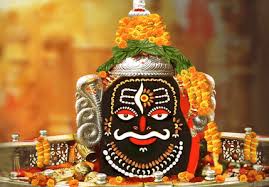
In the ancient city of Ujjain, where time itself is said to have been born, the heart beats to the rhythm of a singular, powerful ritual. Mahakaleshwar, the “Lord of Time and Death,” resides here in one of the most unique Jyotirlingas in India. As Maha Shivratri approaches on Sunday, February 15, 2026, the city prepares for a celebration that is both terrifying and transcendental.
Ujjain is not just a pilgrimage site; it is a spiritual furnace. While other temples celebrate the light, Mahakaleshwar celebrates the ultimate truth of existence: that everything begins and ends in ash. From the world-famous Bhasma Aarti to the massive, high-energy street processions, Maha Shivratri in Ujjain is a visceral experience that stays with a seeker forever.
1. The Lord of Time: Why Mahakaleshwar is Unique
Mahakaleshwar is the only one among the twelve Jyotirlingas that is Dakshinamukhi (south-facing). In Vastu and spiritual tradition, South is the direction of Yama, the God of Death. Shiva facing South signifies his role as the master of death and the one who grants liberation (Moksha) from the cycle of birth and rebirth.
The name “Mahakal” itself has a dual meaning:
-
Maha (Great) + Kaal (Time): The one who exists beyond time.
-
Maha (Great) + Kaal (Death): The one who consumes death itself.
2. The Bhasma Aarti: A Ritual of Ash and Eternity
The soul of Mahakaleshwar is the Bhasma Aarti. In 2026, on the dawn of Maha Shivratri, this ritual will reach a crescendo of intensity.
The Ritual Explained
Every day before sunrise, the Shiva Lingam is “woken up” and bathed. The climax of the prayer is the offering of Bhasma (fresh ash). Traditionally, this ash was brought from the cremation grounds, symbolizing that Shiva is the ultimate destination of all physical forms.
-
The Atmosphere: The temple vibrates with the thunderous sound of drums, bells, and the chanting of “Sri Mahakal.”
-
The Visual: When the priest showers the vibrant ash over the Lingam, the entire sanctum is shrouded in a grey cloud, representing the dissolution of the ego.
-
The Rules: To witness the Bhasma Aarti, men must wear a traditional Sola (unstitched silk or cotton garment) and women must wear a Saree. In 2026, ensure you book your slot through the official temple portal months in advance, as the demand on Shivratri is astronomical.
3. The Massive Street Processions: Ujjain’s Royal Parade
If the Bhasma Aarti is the silent, internal fire, the Maha Shivratri Procession is the external explosion of joy. On February 15, 2026, the streets of Ujjain will transform into a sea of saffron.
-
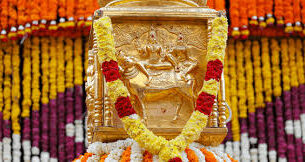
The Palanquin (Sawari): A silver idol of Lord Mahakal is carried in a grand palanquin through the city. It is a “Royal Parade” where the King of Ujjain goes out to meet his subjects.
-
The Participants: Thousands of devotees, Naga Babas with matted hair, and folk dancers from across Madhya Pradesh join the march. The air is thick with “Gulal” (colored powder) and the sound of massive brass bands.
-
The Connection: For the people of Ujjain, this is not just a parade; it is an emotional homecoming. Every rooftop is packed, and every window is a vantage point for a glimpse of the Lord.
4. Shipra River: The Sacred Dip
No visit to Ujjain on Maha Shivratri is complete without a holy dip in the Shipra River.
-
Ram Ghat: This is the primary spot where devotees gather for the Snanam (bath) before heading to the temple.
-
The Deep Daan: In the evening, the banks of the Shipra are lit with thousands of oil lamps, reflecting the “Jyoti” of Shiva in the dark waters. The sight of the Shipra Aarti against the backdrop of ancient temples is a photographer’s dream in 2026.
5. Planning Your 2026 Pilgrimage: Essential Tips
Visiting Ujjain during Maha Shivratri requires strategic planning:
-
Bhasma Aarti Booking: This is mandatory and fills up fast. Use the official Mahakaleshwar Temple website for 2026 bookings.
-
The “Darshan” Queue: Be prepared for long waits. On Shivratri, the queue can take several hours, but the energy of the fellow devotees makes it a meditative experience.
-
Accommodation: Stay near the Mahakal Lok Corridor. This newly developed area provides world-class facilities, beautiful sculptures, and easy access to the temple.
-
Food: Try the local Poha-Jalebi for breakfast and the Bhang-infused Thandai (served as Prasad) to experience the local culture.
6. The Spiritual Lesson: Embracing the Ash
The message of Mahakaleshwar is one of Fearlessness. By worshipping a God adorned with ash, we are reminded that death is not an end, but a transformation. In the high-tech, high-stress world of 2026, the Bhasma Aarti serves as a grounding force, urging us to look beyond our temporary identities and connect with the eternal “Mahakal” within us.
As the drums fade and the ash settles on the morning of February 16, 2026, you leave Ujjain not just with a blessing, but with a new perspective on time itself.