
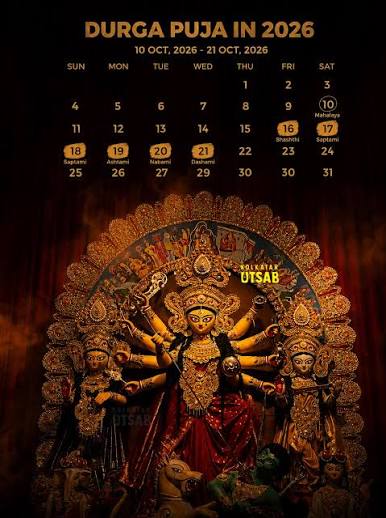
When the rhythms of the dhak echo across the streets of West Bengal, Kolkata transforms into the world’s largest open-air art gallery. In 2026, Durga Puja will be celebrated from October 16 to October 21 (Maha Shashthi to Vijaya Dashami). Every autumn, the City of Joy divides into two friendly artistic camps: South Kolkata, the pioneer of modern installation art and social themes, and North Kolkata, the custodian of heritage, grand architectures, and royal Bonedi Bari customs.
Whether you are a seasoned pandal-hopper planning your nighttime route or a first-time visitor experiencing this UNESCO Intangible Cultural Heritage event, this ultimate guide breaks down the top club names, iconic themes, and essential routes across both halves of the city.
1. South Kolkata: The Empire of Modern Art & Social Themes
South Kolkata is synonymous with grand production budgets, award-winning art direction, and thought-provoking themes that address social, environmental, and philosophical issues.
| Club Name | Location & Nearest Metro |
Signature Theme & Style
|
| Chetla Agrani Club | Chetla (Kalighat Metro) |
Known for immersive, eco-conscious themes led by renowned art directors; transforms the entire lane into an interactive installation.
|
| Suruchi Sangha | New Alipore (Majerhat/Kalighat) |
Focuses on Indian state handlooms, folk culture, and social integration with vibrant outdoor installations.
|
| Tridhara Sammilani | Manohar Pukur Road (Jatin Das Park Metro) |
Blends traditional idol sculpting with modern abstract themes, focusing on environmental consciousness and cosmic harmony.
|
| Ekdalia Evergreen Club | Gariahat (Ballygunge) |
Pure Tradition: Recreates famous Indian temple architecture with grand lighting chandeliers and a traditional Sabeki Durga idol.
|
| Naktala Udayan Sangha | Naktala (Garia / Geetanjali Metro) |
A pioneer in conceptual installations using metal, mirror, and glass art to reflect pressing socio-political themes.
|
| Badamtala Ashar Sangha | Kalighat (Kalighat Metro) |
Famous for avant-garde artwork, intricate miniature modeling, and creative lighting design.
|
| Bosepukur Sitala Mandir | Kasba / Ruby (Bosepukur) |
Famous for using rural Bengal handicrafts, clay pots, and earthen lamps to tell folk stories.
|
2. North Kolkata: The Heritage, Culture & Grand Architecture Hub
If South Kolkata represents the modern art movement, North Kolkata is the heart of aristocracy, history, and monumental architecture. Here, century-old barowari (community) pujas stand alongside world-famous theme installations in narrow, historic alleys.
| Club Name | Location & Nearest Metro |
Signature Theme & Style
|
| Santosh Mitra Square | Lebutala Park, Sealdah (Central Metro) |
Famous for ultra-grand architectural marvels—recreating gold-plated palaces, sphere installations, and LED lighting spectacles.
|
| Kumartuli Park | Sovabazar (Sovabazar Metro) |
Located in the potters’ hub; seamlessly combines traditional clay craftsmanship with modern architectural storytelling.
|
| Hatibagan Nabin Pally | Shyambazar / Hatibagan |
Focuses on preserving lost folk arts of Bengal, vintage handicrafts, and nostalgic city memories.
|
| Tala Barowari | Northern Avenue, Tala |
One of the oldest public pujas; known for vast open-air installations that fuse heritage themes with modern sculpture.
|
| Ahiritola Sarbojanin | BK Paul Avenue (Shyambazar) |
Celebrated for its deep social messaging—focusing on street art, human rights, and traditional Bengali folk lore.
|
| Nalin Sarkar Street | Khanna / Shyambazar |
Multiple Asian Township Excellence award winner; uses wood, terracotta, and jute to create intimate, art-centric worlds.
|
| Chaltabagan Sarbojanin | Maniktala (Girisk Park Metro) |
Renowned for eco-friendly glasswork, brass lamp setups, and traditional Dhaka style idol decorations.
|
3. South vs. North: Key Cultural Differences
| Feature | South Kolkata | North Kolkata |
| Pandal Style | Abstract, conceptual art, environmental & global themes. |
Heritage architecture, temple replicas, and vintage Bengal folk art.
|
| Crowd Experience | Wide avenues (Gariahat, Rashbehari); smooth pedestrian flow. |
Narrow historic lanes; compact walking loops with high crowd density.
|
| Food Culture | Modern cafes, multi-cuisine food stalls, and street-side fast food. |
Legendary vintage eateries (Golbari, Mitra Cafe, Allen Kitchen, Indian Coffee House).
|
| Idol Design | Experimental, surrealist, and contemporary fusion sculptures. |
Traditional Ekchala (single-backdrop) or classic Sabeki clay idols.
|
4. Pro-Tips for Pandal Hopping During Durga Puja 2026
-
Use the Blue Line Metro: The Kolkata Metro connects major North and South hubs effortlessly. Use Sovabazar, Shyambazar, and Central for North Kolkata, and Kalighat, Jatin Das Park, and Kavi Subhash for the South circuit.
-
Timing is Everything: To avoid massive peak-hour crowds, hop pandals between 5:00 AM and 9:00 AM or after 2:00 AM.
-
VIP / Senior Citizen Passes: Many big-budget clubs offer digital entry passes via local government apps or official club social pages—keep an eye out in September 2026.
-
Footwear & Hydration: You will easily log 15,000 to 20,000 steps per night. Wear broken-in sneakers rather than new footwear.
Conclusion: A City Unified by Art and Faith
Whether you prefer the artistic installations of South Kolkata or the historic nostalgia of North Kolkata, Durga Puja 2026 promises an unmatched celebration of creativity and community. As both sides of the city light up from October 16 to 21, 2026, Kolkata proves why it remains the undisputed cultural heart of India.

