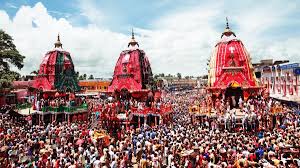
When the tropical monsoon winds bring relief to the parched coast of Odisha, the holy city of Puri prepares for an event that defies human scale. The Jagannath Rath Yatra, also known as the Festival of Chariots, is one of the oldest, largest, and grandest religious processions on Earth. It is a spectacular event where divinity steps out of the sanctum sanctorum to meet the common man, regardless of caste, creed, or nationality.
In 2026, the Rath Yatra will commence on Sunday, July 16, 2026. Millions of devotees, travelers, and photographers will converge on the Bada Danda (Grand Road) in Puri to touch the sacred ropes of the giant chariots. Whether you are a devout pilgrim seeking salvation or a cultural traveler fascinated by living traditions, this comprehensive guide covers the dates, history, secrets, and travel tips for Rath Yatra 2026.
1. The Divine Philosophy: Why the Lord Steps Out
In most Hindu temples, the main deity never leaves the inner sanctum (Garbhagriha). However, Lord Jagannath (the Lord of the Universe), along with his elder brother Lord Balabhadra and sister Goddess Subhadra, breaks this rule once a year.
-
Universal Mercy: The festival is rooted in deep compassion. Historically, non-Hindus and foreigners were not allowed inside the 12th-century Jagannath Temple. To ensure that every human being could see him, Lord Jagannath initiated the Rath Yatra—becoming Patita Pavana, the savior of the fallen.
-
The Journey: The Yatra commemorates the annual journey of the three deities from their primary residence, the Jagannath Temple, to their aunt’s house at the Gundicha Temple, located roughly 3 kilometers away.
2. Architectural Marvels: The Three Massive Chariots
Every year, three brand-new wooden chariots are constructed from scratch using traditional blueprints and without a single metal nail. The work begins months in advance on the auspicious day of Akshay Tritiya.
Chariot Name Deity Number of Wheels Canopy Color
Nandighosa Lord Jagannath 16 Wheels Yellow and Red
Taladhwaja Lord Balabhadra 14 Wheels Green and Red
Darpadaliana Goddess Subhadra 12 Wheels Black and Red
The wood is sourced from specific forests via royal decree, and the hereditary carpenters, known as Maharanas, measure the structures entirely by eye and traditional hand-spans.
3. Key Rituals of Rath Yatra 2026
The Pahandi Bije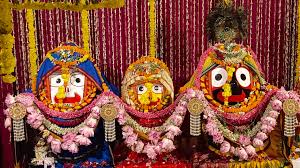
This is the most dramatic phase of the festival. The deities, who are massive wooden idols without defined limbs, are brought out of the temple by the priests (Daitapatis). They are moved forward in a rhythmic, swaying motion, accompanied by the thunderous roar of cymbals, gongs, and conch shells.
Chhera Pahanra: The King acts as a Sweeper
Before the chariots can move, the Gajapati Maharaja (the titular King of Puri) arrives in a palanquin. In a profound demonstration of humility, the King uses a golden broom to sweep the dust off the chariot platforms and sprinkles them with fragrant sandalwood water. This ritual sends a timeless message: in the eyes of the Almighty, a king and a sweeper are equals.
The Pulling of Chariots
Once the road is cleared, the pulling begins. Thousands of hands grab the thick coir ropes. It is believed that catching even a momentary glimpse of Lord Jagannath on his chariot or helping pull the rope washes away a lifetime of sins (Ratha tu vamana drustwa punarjanma na vidyate).
4. The Return Journey: Bahuda Yatra 2026
The deities stay at the Gundicha Temple for nine days. Their return journey to the main temple is known as the Bahuda Yatra, scheduled for July 24, 2026.
On the way back, the chariots stop at the Mausi Maa Temple (Aunt’s house), where the deities are offered Poda Pitha—a traditional baked rice cake made of jaggery, coconut, and lentils.
5. Essential Travel and Safety Guide for Puri 2026
Attending the Rath Yatra in Puri requires careful coordination due to the sheer size of the crowds.
-
Accommodation: Hotels on the Grand Road and near Puri beach book out nearly six to eight months in advance. If you haven’t booked, look for stay options in Bhubaneswar (60 km away) and commute using special festival trains or the newly expanded highway.
-
Health and Hydration: July in coastal Odisha is extremely humid. Monsoon downpours are frequent. Carry a raincoat, sturdy umbrellas, and plenty of electrolyte packets.
-
Crowd Management: Avoid getting into the thickest parts of the crowd near the wheels of the chariots. The state police set up specific viewing galleries and barricades for safety.
-
Photography: If you want a clear shot of the Pahandi or the Chhera Pahanra, book a rooftop spot from one of the buildings lining the Bada Danda well in advance.
6. Beyond Puri: Global Rath Yatra Celebrations
By 2026, the Rath Yatra has transcended geographic borders. Thanks to the global Indian diaspora and spiritual organizations like ISKCON, chariot festivals take place in hundreds of cities simultaneously:
-
Mahesh Rath Yatra (West Bengal): The second oldest Rath Yatra in India, celebrated since 1396.
-
London, UK: A grand procession winds through the streets of central London, ending at Trafalgar Square.
-
New York, USA: A colorful chariot moves down Fifth Avenue, distributing Prasad to thousands of locals and tourists.
Conclusion: A Journey of Faith
The Jagannath Rath Yatra 2026 is an encounter with the raw, untamed power of collective human faith. As the colossal wheels of Nandighosa roll down the Grand Road of Puri, crushing all differences of race, religion, and status, it reminds the world of a beautiful truth: the universe belongs to everyone, and its Lord will always come out to meet those who cannot walk to him.