When people think of Goa, they often envision the neon lights of North Goa’s beaches or the colonial charm of Old Goa’s churches. However, there is a soulful, rhythmic, and deeply traditional side to the state that remains its best-kept secret. Shigmo, or Shigmostav, is Goa’s grand answer to Holi. While the rest of India focuses on the play of colors, Goa explodes into a fortnight-long cultural extravaganza featuring massive street parades, tribal folk dances, and towering floats that bring Hindu mythology to life.
In 2026, as the spring harvest arrives, the streets of Goa will vibrate with the sound of the Dhol and Tasha. If you want to see the “Real Goa”—the Goa of the soil, the spirit, and the ancient legends—Shigmo 2026 is an unmissable experience.
1. The Essence of Shigmo: A Spring Awakening
Shigmo is the Konkani word derived from the Sanskrit Srigmanotsav. It is a celebration of two things: the arrival of spring and the homecoming of the warriors who left their homes at the end of the monsoon to fight invaders.
Unlike the one-day color fest of Holi, Shigmo is celebrated over 14 days, primarily by the Hindu community in rural and urban Goa. It is divided into two parts:
-
Dhaklo (Little) Shigmo: Celebrated primarily by the rural farming and tribal communities, focusing on ancient folk songs and temple rituals.
-
Thorlo (Big) Shigmo: The grand public celebration that features the iconic street parades and floats seen in cities like Panaji, Margao, and Vasco.
2. The Heartbeat of the Parade: Folk Dances and Music
The defining feature of Shigmo is the Folk Dance Competitions. As the parades move through the city streets under the golden 2026 sun, you will witness traditional art forms that have been passed down through generations:
-
Ghode Modni (The Horse Dance): Dancers wear wooden horses around their waists and perform spectacular footwork, recreating the gallop of the Maratha warriors.
-
Fugdi and Dekhni: Women in vibrant traditional Sarees perform these graceful dances, often accompanied by the claps of the crowd.
-
Romtamel: This is the most energetic part of the parade. Large groups of men carry massive, colorful silk banners (Dhvaj) and umbrellas, dancing in a trance-like rhythm to the thunderous beats of the Dhol, Tasha, and Cymbals.
-
Gopa: A intricate dance involving colorful ribbons, similar to maypole dancing, symbolizing the harmony of the community.
3. The Floating Mythology: Shigmo’s Grand Floats
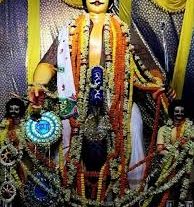
If the dances are the soul of Shigmo, the Floats are its crowning glory. Goa’s artisans are world-renowned for their craftsmanship, and during Shigmo, they create massive, multi-tiered moving stages.
-
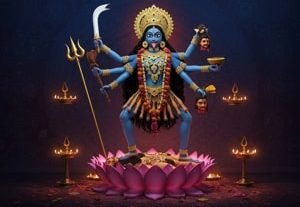
Mythological Masterpieces: Each float depicts a scene from the Ramayana, Mahabharata, or the Puranas. You might see a 20-foot tall mechanical demon Narakasura being defeated by Lord Krishna, or the elegant court of Lord Rama.
-
The Spectacle: These floats are equipped with high-tech lighting and animatronics. In 2026, the competition for the “Best Float” in Panaji is expected to reach new heights of creativity, combining traditional clay modeling with modern visual effects.
4. Shigmo 2026: Dates and Where to Watch
Shigmo dates vary slightly by city, as the parade moves across the state like a traveling carnival. In 2026, the main Shigmo festivities are expected to peak around March 3rd to March 17th.
The “Big Three” Parade Locations:
-
Panaji (The Capital): Usually the most grand and sophisticated parade, stretching along the Mandovi Riverfront.
-
Margao: Known for the most passionate participation from South Goa’s cultural troupes.
-
Ponda: Often called the “Cultural Capital of Goa,” Ponda’s Shigmo is the most traditional, as it is surrounded by the state’s most famous temples.
5. Essential Travel Tips for Shigmo 2026
To make the most of this Goan spring festival, keep these tips in mind:
-
Timing is Everything: Parades usually start in the late afternoon (around 4:00 PM) and continue late into the night. Reach the venue early to secure a spot on the barricades.
-
Stay in the Heart of the Action: If you want to catch the Panaji parade, book a hotel in the Fontainhas or Campal area. For a more traditional vibe, stay in a heritage homestay in Ponda.
-
Photography: Shigmo is a riot of color and motion. Use a fast shutter speed to capture the dancers and a wide-angle lens for the massive floats.
-
Try the Local Flavors: During Shigmo, look for seasonal Goan Hindu delicacies like Khatkhate (a vegetable stew) and Sakhar Bhat (sweet saffron rice).
6. Why Shigmo is the “Real” Goan Experience
While the Goa Carnival (celebrated before Lent) has a Portuguese-Catholic influence, Shigmo is the authentic expression of Goa’s Vedic and tribal roots. It is a time when the entire community, regardless of age, comes out to honor their ancestors and celebrate the fertility of the land.
Standing in a crowd of thousands, feeling the vibration of a dozen Dhols in your chest while a golden float of Lord Shiva glides past, you realize that Goa’s magic isn’t just in its beaches—it’s in its unbreakable connection to its heritage.
Conclusion: Join the Golden Parade
Shigmo 2026 is an invitation to see Goa in a new light. It is a celebration that is as loud as a thunderclap and as graceful as a folk song. As the colors of spring fill the Goan air, the Shigmostav reminds us that every season is a reason to dance, and every legend is a story worth telling again.