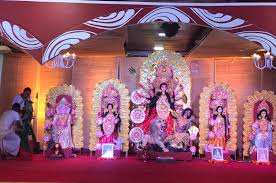
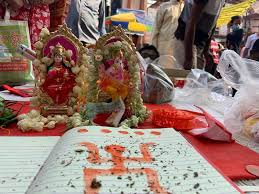
On Thursday, March 26, 2026, the air across India—from the snowy peaks of the Himalayas to the tropical shores of Rameswaram—will be filled with the resonant chants of “Jai Shree Ram.” Ram Navami, the birth anniversary of Lord Rama, the seventh avatar of Lord Vishnu, is more than just a religious festival; it is a celebration of Maryada (honor), Dharma (righteousness), and the ultimate victory of light over darkness.
In 2026, the celebrations carry a historic weight. With the Ram Mandir in Ayodhya now a global spiritual hub, Ram Navami has transformed into a grand international event, drawing millions to witness the “Surya Tilak” and the revival of ancient Vedic traditions.
1. The Significance: Why We Celebrate Ram Navami
Ram Navami falls on the ninth day (Navami) of the Chaitra month in the Hindu lunar calendar, marking the end of the nine-day Chaitra Navratri.
-
The Avatar: Lord Rama was born in Ayodhya to King Dasharatha and Queen Kausalya during the Treta Yuga. His life serves as a blueprint for the “Ideal Man” (Maryada Purushottam)—a devoted son, a loyal brother, a protective husband, and a just king.
-
The Message: The festival celebrates the descent of divinity into the human form to destroy the demonic forces led by Ravana and re-establish a kingdom of peace and prosperity, famously known as Ram Rajya.
2. Ayodhya 2026: The Spiritual Epicenter
For centuries, Ram Navami in Ayodhya was a local affair of deep faith. Today, it is a spectacle of world-class proportions.
-
The Surya Tilak: One of the most anticipated moments of 2026 is the Surya Tilak ritual. Using an advanced optomechanical system, the sun’s rays are diverted precisely onto the forehead of the Ram Lalla idol at noon—the exact time of his birth. Witnessing this “anointment by the sun” has become a bucket-list experience for devotees worldwide.
-
The Saryu Snan: Thousands will gather at the banks of the Saryu River for a holy dip before dawn, believing that the waters carry the blessings of the Lord on this auspicious day.
-
The Shobha Yatra: A massive chariot procession featuring idols of Rama, Sita, Lakshman, and Hanuman will wind through the streets of Ayodhya, accompanied by folk dancers and Vedic chanters.
3. Rituals and Traditions Across India
While Ayodhya is the heart, the pulse of Ram Navami beats in every Indian household:
-
The Vrat (Fasting): Many devotees observe a day-long fast, consuming only fruits and milk (Phalahar), to purify the body and mind.
-
Ramcharitmanas Path: In homes and temples, continuous recitals of Tulsidas’s Ramcharitmanas or the Valmiki Ramayana are held. The verses are believed to vibrate with protective energy.
-
Panakam and Kosambari: In South India, especially in Andhra Pradesh and Karnataka, the festival is celebrated with Panakam (a refreshing jaggery and pepper drink) and Kosambari (moong dal salad). These cooling foods are symbolic of the transition into the summer heat.
-
Kanya Pujan: Since Ram Navami coincides with the end of Navratri, many families perform Kanya Pujan, worshipping nine young girls as embodiments of the Divine Mother.
4. Ram Navami 2026: A Global Celebration
By 2026, the influence of Indian culture has expanded significantly.
-
The Diaspora: From the “Ramayan Melas” in Trinidad and Tobago to grand temple celebrations in New Jersey and Leicester, the global Indian diaspora uses this day to reconnect with their roots.
-
Digital Darshan: For those who cannot travel to Ayodhya, 2026 offers immersive Virtual Reality (VR) Darshans, allowing devotees to experience the noon Aarti and the Surya Tilak from their homes via live streaming.
5. Essential Guide for the 2026 Pilgrim
If you are planning to visit Ayodhya or any major Ram temple (like Bhadrachalam or Rameswaram) in 2026:
-
Travel Early: For Ayodhya, book your Vande Bharat or flight tickets at least three months in advance. The city expects a footfall of over 5 million people during the Navami week.
-
Stay: Look for “Homestays” in Ayodhya for an authentic experience, or stay in Lucknow and take a day trip via the newly developed expressway.
-
Weather: March in North India can be warm. Carry cotton clothing, hats, and stay hydrated, especially if you are participating in the street processions.
-
Security: Given the massive crowds, security will be tight. Carry a digital copy of your ID and avoid carrying large bags into the temple premises.
6. The Lesson for Today: Building Your Own “Ram Rajya”
Beyond the rituals, Ram Navami 2026 is a call to action. In an era of technological advancement, the virtues of Lord Rama—truthfulness, sacrifice, and empathy—remain more relevant than ever.
-
Social Harmony: Lord Rama’s embrace of Shabari and his friendship with the Vanaras (monkeys) teach us to look beyond caste and social status.
-
Righteousness: In our professional and personal lives, the festival asks us: “Is my path aligned with Dharma?”
Conclusion: A Day of Divine Radiance
As the sun reaches its zenith on March 26, 2026, and the bells of millions of temples ring in unison, Ram Navami reminds us that the divine is not distant. It resides in the courage to do what is right. Whether you are watching the Surya Tilak in Ayodhya or lighting a simple lamp in your balcony, the spirit of Rama is a flame that burns within every heart that seeks the truth.