Introduction:
In the Hooghly district of West Bengal, the Kartik Puja celebrations extend far beyond a single neighborhood or temple. Magra, one of the notable clusters within the district, hosts a vibrant Kartik Puja that embodies the region’s deep-rooted devotion, artisanal prowess, and communal spirit. This blog explores Magra Kartik Puja as a living tradition—rooted in centuries of practice, enriched by modern creativity, and sustained by the participation of families, merchants, and local communities.
Historical Roots and Cultural Context:
Magra’s Kartik Puja sits within a broader Hooghly Kartik Puja tradition that has flourished for centuries. The region’s pujas often trace their origins to merchant families and lineage-based committees who adopted Kartikeya worship as part of a seasonal rhythm tied to the harvest and annual cycles of prosperity. Over time, Magra Kartik Puja has grown into a festival renowned for its collaborative energy, where many households and local associations come together to organize elaborate pandals, ritual programs, and public celebrations. The enduring popularity of Magra’s puja reflects the district’s long-standing cultural exchange between trade networks and religious life.
Rituals, Pandals, and Artistic Traditions:
-
Kumari Puja and Kumari Blessings: Like many traditional Kartik Puja celebrations, Magra incorporates Kumari Puja, venerating young girls as embodiments of divine energy and blessings.
-
Sandhi Puja: The transitional moment between Nabami and Dashami is observed with special rites and offerings, a hallmark of Bengal’s nuanced puja rituals.
-
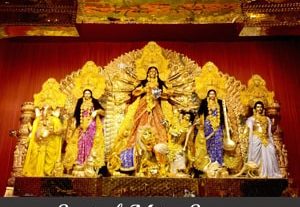
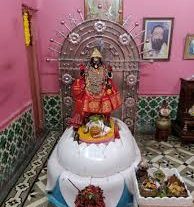
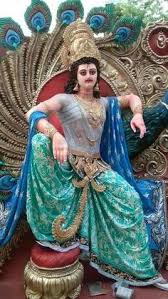
Pandal Displays: The Magra puja circuit is known for its artistic pandals, often blending mythological themes with local cultural motifs. Artisans showcase woodwork, clay idols, and intricate decorations that reflect both tradition and contemporary aesthetics.
-
Lighting and Ornamentation: Elaborate lighting arrangements illuminate the pandals and streets, creating a luminous carnival atmosphere that draws crowds after dusk.
-
Bhog and Community Feasts: Traditional vegetarian offerings are shared among devotees, reinforcing social bonds and communal harmony.
Community and Social Cohesion:
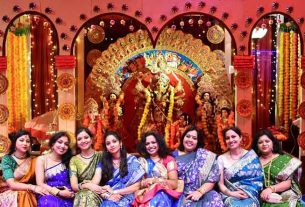
Magra Kartik Puja is more than a religious festival; it is a social event that strengthens ties within the local community. Families, shopkeepers, and volunteers collaborate to ensure smooth procession routes, crowd management, temple and pandal maintenance, and the hospitality extended to visitors. The festival provides a platform for aspiring artists, students, and performers to contribute through cultural programs, music, and dances that showcase the district’s rich artistic heritage.
Economic and Tourism Impact:
The puja in Magra attracts visitors from neighboring towns and cities, contributing to local commerce and cultural tourism. Small vendors, traditional craftspeople, and food stalls benefit from the festive footfall, while visitors gain an authentic glimpse into Bengal’s Kartik traditions. The event also serves as a stage for showcasing regional cuisine, crafts, and performing arts, reinforcing Magra’s place within Hooghly’s cultural tourism circuit.
Practical Tips for Visitors:
-
Plan an evening visit to experience the illuminated pandals and the festive energy that fills the streets.
-
Respect local customs and seek permission before photographing sacred spaces or rituals.
-
Explore nearby temples, markets, and historic sites to gain a broader understanding of Hooghly’s Kartik traditions.
-
Late-night crowds can form around the main pandal clusters, so stay aware of your surroundings and follow local guidance for safety.
Conclusion:
Magra Kartik Puja embodies the essence of Bengal’s Kartik festival—devotion, artistry, and community. It is a celebration where centuries-old rituals meet contemporary creativity, and where the shared joy of giving, feasting, and prayer binds people together. Whether a devotee, an observer of culture, or a curious traveler, Magra’s Kartik Puja offers a vivid and meaningful window into West Bengal’s living heritage.