As the crisp autumn air settles over the Indian subcontinent, millions of homes, streets, and temples transform into a breathtaking sea of golden light. Known globally as the Festival of Lights, Diwali (or Deepavali) is India’s 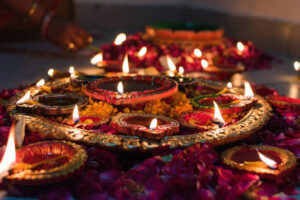 grandest and most widely celebrated festival. While the core spiritual message—the victory of light over darkness, knowledge over ignorance, and good over evil—remains universal, the way Diwali is experienced changes dramatically as you travel from the snow-dusted foothills of the Himalayas to the tropical shores of the Indian Ocean.
Spanning five auspicious days—Dhanteras, Naraka Chaturdashi (Choti Diwali), Lakshmi Puja (Main Diwali), Govardhan Puja, and Bhai Dooj—Diwali brings together diverse mythologies, regional cuisines, and centuries-old cultural rituals into one magnificent celebration of joy, prosperity, and unity.
North India: The Triumph of Lord Rama and Ayodhya’s Deepotsav
Across Northern India—spanning Uttar Pradesh, Delhi, Punjab, Haryana, and Rajasthan—Diwali commemorates the joyful return of Lord Rama, Goddess Sita, and Lakshmana to their kingdom of Ayodhya after fourteen years of exile and defeating the demon king Ravana. To welcome their beloved king on a moonless Amavasya night, the citizens of Ayodhya illuminated the entire city with rows of earthen oil lamps (diyas), giving birth to the word Deepavali (a row of lights).
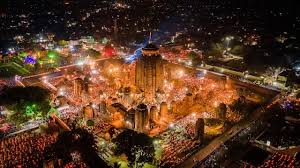
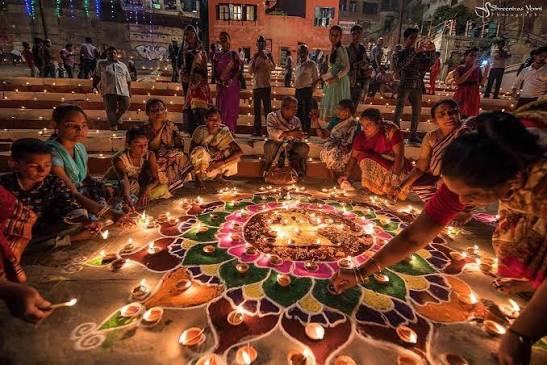
Nowhere is this tradition more spectacular than in Ayodhya itself, where the annual Deepotsav illuminates the banks of the Saryu River with millions of glowing earthen lamps, setting world records. Across northern households, families clean and decorate their entrances with vibrant Rangoli patterns, perform evening Lakshmi-Ganesha Puja for wealth and wisdom, exchange boxes of traditional sweets like Kaju Katli and Besan Ladoo, and light sparklers under the night sky. In Punjab, this day also coincides with Bandi Chhor Divas, celebrated by the Sikh community to mark the release of the sixth guru, Guru Hargobind Ji, from Mughal imprisonment, illuminating the Golden Temple in Amritsar in breathtaking splendor.
West India: Financial New Year and Festive Grandeur
In Western India—particularly in Gujarat and Maharashtra—Diwali carries deep significance for trade, commerce, and family renewal. For the Gujarati business community, Diwali marks the end of the traditional financial year. On the main day, shopkeepers and traders perform Chopda Pujan, a sacred ritual where new account books (Chopda) are blessed in front of Goddess Lakshmi to ensure prosperity and ethical business practices in the coming year. The very next day is celebrated as Bestu Varas, the Gujarati New Year, filled with family visits, festive attire, and hearty feasts.
In Maharashtra, the celebrations begin early with Vasubaras (honoring cows) and Narak Chaturdashi, where families take a traditional pre-dawn scented oil bath (Abhyanga Snan) before enjoying a massive breakfast spread known as Faral, featuring Chakli, Karanji, Shankarpali, and Chivda. Children build miniature mud forts (Kille) in honor of Chhatrapati Shivaji Maharaj, blending historical pride with festive joy.
East India: Kali Puja and the Worship of Cosmic Shakti
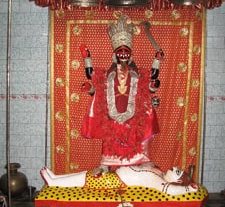
Travel to Eastern India—specifically West Bengal, Odisha, and Assam—and the spiritual focus of the dark Amavasya night shifts dramatically toward the fierce and protective feminine divine. While homes are still decorated with diyas, fairy lights, and floral alpana, the night is dedicated to Kali Puja (Shyama Puja), honoring Goddess Kali, the destroyer of evil and ego.
In Kolkata and surrounding towns like Barasat, grand community pandals spring up, featuring towering idols of Goddess Kali illuminated by dazzling Chandannagar light installations. Worship continues deep into the night with chanting, hibiscus flower offerings, and rhythmic dhak beats. Meanwhile, in Odisha, families observe Bada Badua Daka, a touching ancestral ritual where elders burn jute sticks (Kaunria Kathi) toward the night sky to light the path for their departed ancestors returning to heaven.
South India: Dawn Celebrations and the Defeat of Narakasura
In Southern India—across Tamil Nadu, Karnataka, Andhra Pradesh, and Telangana—Deepavali is primarily celebrated on Naraka Chaturdashi, one day ahead of the northern Lakshmi Puja. Here, the festival commemorates Lord Krishna and Satyabhama’s victory over the tyrant demon Narakasura.
Unlike the evening-focused festivities of the north, South Indian Deepavali begins well before sunrise. Families wake up at dawn to perform Ganga Snanam, a ritual oil bath using warm sesame oil and herbal powders (shikakai), believed to cleanse the body and soul as purely as bathing in the sacred Ganges. Wearing brand-new silk outfits (Pattu), families burst firecrackers at sunrise, share an elaborate breakfast of Idli, Dosa, Medu Vada, and sweets like Mysore Pak and Jangiri, and offer prayers for health and longevity. In Karnataka, the festival also includes Bali Padyami, honoring the legendary benevolent King Bali.
The Universal Spirit of Light and Togetherness
Whether illuminated by millions of earthen diyas along the Saryu River, celebrated through late-night Kali Puja in Kolkata, welcomed with pre-dawn oil baths in Chennai, or marked by new account books in Ahmedabad, Diwali remains the beating cultural heart of India. Beyond regional legends and culinary specialties, the festival carries a timeless reminder: no matter how deep the darkness of a moonless night, a single flame of hope, kindness, and unity is enough to light up the entire world.