As the sun dips below the horizon of the Arabian Sea on Sunday, February 15, 2026, a celestial glow will envelop the western coast of India. Standing tall against the crashing waves, the Somnath Temple—the first of the twelve Jyotirlingas—becomes the stage for one of the most visually stunning and spiritually resonant celebrations on Earth.
Maha Shivratri at Somnath is not just a temple ritual; it is a grand symphony of the elements. It is where the roar of the ocean meets the rhythmic chanting of Vedic hymns, and where the ancient stones of the “Eternal Shrine” are illuminated by millions of lights. For those seeking a blend of natural beauty and profound devotion, Somnath 2026 is the ultimate spiritual destination.
1. The Legend of the Moon God’s Redemption
The name “Somnath” literally means “The Lord of the Moon.” According to the Puranas, the Moon God (Soma) lost his luster due to a curse. It was here, at the confluence of the Saraswati, Kapila, and Hiran rivers (the Triveni Sangam), that he prayed to Lord Shiva for redemption. Pleased with his devotion, Shiva appeared as a pillar of light—the Jyotirlinga—and restored the moon’s glow.
On Maha Shivratri, this legend comes alive. Devotees believe that worshipping at Somnath on this night cleanses the soul of past “shadows” and restores one’s inner light, much like the moon was restored eons ago.
2. The Seaside Celebration: A Sensory Marvel
What sets Somnath apart from the mountain-locked shrines of the North or the bustling city temples of the East is its geography.
-
The Sound of Chanting: Throughout the night of February 15, 2026, the temple will echo with continuous chanting of the Mahamrityunjaya Mantra and the Shiva Purana. This isn’t just background noise; it is a focused, collective vibration intended to align the human mind with the cosmic frequency.
-
The Lighting (Deepotsav): As darkness falls, the entire temple complex, a masterpiece of Chaulukya architecture, is bathed in golden light. Thousands of oil lamps (diyas) are lit along the seashore, creating a “bridge of light” that reflects on the undulating waves.
-
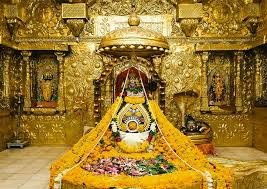
The Prahara Puja: The night is divided into four Praharas (quarters). During each quarter, the Shiva Lingam is decorated with different materials—sandalwood, flowers, and ornaments—symbolizing the different stages of the soul’s evolution.
3. The “Somnath Mahotsav”: Cultural Grandeur
In 2026, the Gujarat Tourism board and the Somnath Trust are expected to host the Somnath Mahotsav, a cultural festival that coincides with Maha Shivratri.
-
Folk Dance and Music: The temple grounds host world-renowned artists performing Dayro (folk music) and Garba (dedicated to Shiva-Shakti).
-
Light and Sound Show: The iconic 3D projection mapping show on the temple walls will narrate the history of the shrine—how it rose like a phoenix seven times after being destroyed—leaving the audience in awe of the resilience of faith.
4. Rituals for the 2026 Devotee
If you are traveling to Gujarat for the “Great Night of Shiva,” here is how you can participate:
-
The Triveni Sangam Dip: Start your day with a holy dip at the confluence of the three rivers. In 2026, the tides are expected to be favorable for a morning ritual bath.
-
The Maha Mrityunjaya Path: Participate in the group chanting sessions held in the temple corridors.
-
The Night Vigil (Jagran): Unlike other temples where you might move in a queue, Somnath allows devotees to sit in designated areas within the complex to meditate as the ocean breeze carries the scent of incense and salt.
5. Essential Travel Tips for Somnath 2026
-
Connectivity: The nearest airport is Rajkot or Diu. Somnath is also well-connected by rail via the Veraval station.
-
Accommodation: Book your stay at the Sagar Darshan Guest House or the Somnath Trust hotels early. Waking up to the sound of the Arabian Sea on Shivratri morning is a priceless experience.
-
Dress Code: Like most Jyotirlingas, traditional attire is encouraged. Men in Dhotis and women in Sarees find it easier to enter the inner sanctum for special Abhisheka bookings.
-
Weather: February in coastal Gujarat is pleasant, with cool sea breezes at night. However, carry a light shawl for the midnight Jagran.
6. The Spiritual Lesson: The Eternal Witness
Standing at the “Arrow Pillar” (Baun Stambh) at the edge of the temple, which indicates a straight line to the South Pole with no land in between, one realizes the vastness of Shiva. The Somnath temple, having survived centuries of invasions, stands as the Eternal Witness.
The seaside celebration in 2026 reminds us that like the tides, our lives have highs and lows, but our devotion should be as steady as the shrine itself. The continuous chanting acts as an anchor, ensuring that even in the midst of life’s storms, we remain connected to the “Somnath” within.