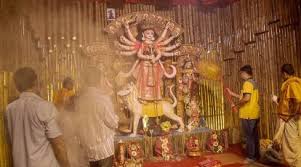
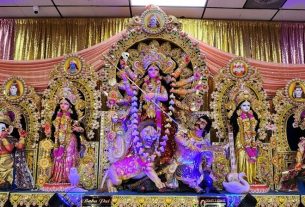
The Hooghly district of West Bengal, particularly the historic towns of Serampore and Chinsurah, stands as a profound center of Kali worship, embodying centuries-old clusters of Shakta tradition that continue to resonate with deep spiritual fervor. Known for its rich colonial heritage intertwined with indigenous devotional cultures, Hooghly’s Kali temples and family pujas have played a pivotal role in preserving and nurturing Bengal’s vibrant goddess worship.
The Landscape of Kali Worship in Hooghly
The Hooghly region is dotted with prominent Kali temples, from renowned large temples to intimate family shrines, reflecting layers of devotion and cultural synthesis. Among the most famous is the Dakshineswar Kali Temple, dedicated to Bhavatarini Kali, established in 1855 by Rani Rashmoni on the riverbank of Hooghly. This temple became spiritually immortalized by Sri Ramakrishna and remains a pilgrimage spot connecting devotees worldwide.
In Serampore and Chinsurah, Dutch and Danish colonial influences mingled with local traditions, enabling unique forms of worship and puja celebrations. Chinsurah’s Kripamayee Kali Temple, founded in 1848 by zamindar Jai Narayan Mitra, stands as another Shakta beacon with its imposing nabaratna (nine-spired) architecture and twelve Shiva shrines surrounding the central Kali sanctum. These temples remain active centers during Poush and Kartik festivals, drawing locals and visitors alike.
Historic and Cultural Significance
The legacy of Kali worship in Hooghly is inseparable from its sociopolitical history. Zamindars and merchant families sponsored extensive pujas and temple restorations, asserting spiritual authority and cultural prestige. The Sabarna Roy Chowdhury family of Barisha, influential patrons of Kalighat temple, had roots extending into Hooghly, illustrating the region-wide network of devotion.
The temples of Hooghly also sustained Tantric practices alongside mainstream Shakta rituals, preserving esoteric worship forms that honor Kali’s transformative power—destroyer of evil and bestower of spiritual knowledge. This dual identity appeals to both common householders and ascetics, contributing to the area’s spiritual richness.
Festivals and Rituals
During the Bengali months of Poush and Kartik, Kali worship in Hooghly reaches a crescendo. Devotees observe elaborate pujas, perform ritual fasting, and offer symbolic bhog—rice, radish, seasonal fruits, jaggery, and flowers. Processions, community feasts, and cultural programs enliven the towns, reinforcing communal solidarity.
Family pujas are marked by adherence to tradition—idol making, aarti, and immersion ceremonies, often tracing lineages back 150+ years. Temples organize special worship sessions invoking Kali’s protective and nurturing aspects, especially significant in agricultural cycles where the goddess is invoked for fertility and prosperity.
Contemporary Relevance
Today, the Hooghly district remains a vital hub for Shakta devotion. The temples continue restoration efforts, attract pilgrims, and host community welfare activities alongside religious events. Scholars and tourists visit to explore the confluence of colonial history and goddess worship, while locals maintain living traditions. The mix of deeply rooted spirituality with vibrant community life keeps the historic Kali worship clusters in Hooghly a dynamic and evolving heritage.