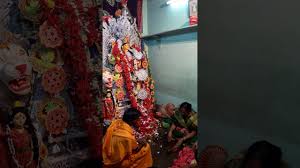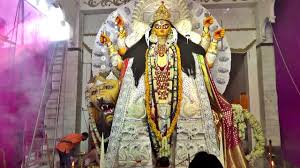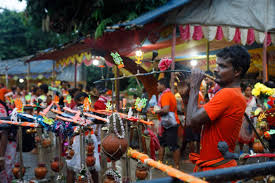
Every year during the sacred monsoon months of Shravan (July to August), the highway connecting the Ganges riverbanks at Sheoraphuli to the ancient town of Tarakeswar in West Bengal’s Hooghly district transforms into an ocean of saffron. Tens of thousands of barefoot pilgrims, dressed in orange garments and carrying decorated bamboo yokes across their shoulders, march through day and night.
Known as Jal Jatris or Kanwarias, these devotees carry holy water from the Ganges River to pour over the self-manifested Shivlinga at the famous Tarakeswar Temple. Spanning an entire month, the Shrabani Mela is one of Eastern India’s largest, most intense, and deeply spiritual monsoon pilgrimages.
In 2026, the holy month of Shravan will run from mid-July to mid-August 2026, with Mondays (Shravan Somvar) drawing the largest congregations. Whether you are planning to undertake this physical journey of devotion or observe this extraordinary cultural phenomenon, this comprehensive guide covers the history, rituals, route details, and travel tips for Shrabani Mela 2026.
1. History & Legend of the Tarakeswar Temple
The heart of the Shrabani Mela is the Tarakeswar Temple, built in 1729 AD by Raja Bharatmalla. The temple houses a self-manifested (Swayambhu) lingam of Lord Shiva, worshipped here as Baba Taraknath—the Lord who grants liberation (Tarak).
-
The Legend of the Discovery: According to local lore, Vishnu Das, a devotee from Ayodhya who settled in Bengal, noticed that one of his cows regularly released her milk over a specific wild stone hidden inside the forest of Tarakeswar. Vishnu’s brother had a dream in which Lord Shiva revealed that the stone was a divine lingam. A small shrine was built at the site, which later grew into the grand At-chala style terracotta temple seen today.
-
The Power of Wish Fulfillment: Baba Taraknath is revered across Bengal as a deity who fulfills severe vows (Manasat). Pilgrims undertake the arduous walk carrying holy water to pray for family health, marriage, relief from illness, or spiritual fulfillment.
2. Who Are the Jal Jatris? The Sacred Oath
The pilgrims of Shrabani Mela are known as Jal Jatris (water pilgrims) or Bhole Baba Ki Bhakt. Their journey is governed by strict, centuries-old vows of austerity (Vrata):
-
The Sacred Water Source: Pilgrims gather at Nimai Tirth Ghat in Sheoraphuli along the Hooghly River (a distributary of the sacred Ganges) to perform morning prayers and collect holy water in earthenware or metal pots (Ghoti).
-
The Bahangi (Kanwar): The pots are suspended from the two ends of a decorated bamboo pole called a Bahangi. The pole is embellished with colorful streamers, small brass bells, and pictures of Lord Shiva.
-
The Barefoot March: The core vow requires devotees to walk the entire distance—approximately 38 to 40 kilometers—completely barefoot under monsoon downpours and humid heat.
-
Strict Purity Rules: Once the holy water is collected, the Bahangi must never touch the bare ground. Special wooden racks line the route so pilgrims can rest their shoulders without setting their water down. Devotees observe strict vegetarian fasts throughout the journey.
3. The Route: From Sheoraphuli to Tarakeswar
The route taken by Jal Jatris is a vibrant, high-energy corridor lined with temporary camps, music systems playing Shiva bhajans, and free relief stalls (Seva Shivir).
-
Water Collection (Sheoraphuli): Devotees take a ritual bath in the Ganges at midnight or early morning, fill their pots, and offer their initial prayers.
-
The 40-km Highway Walk: Pilgrims march along the Baidyabati-Tarakeswar Road. The entire stretch echoes with the thunderous chant of “Bhole Baba Par Karega” (Lord Shiva will see us through) and “Bama Bholanath” (Salutations to Shiva).
-
Arrival at Dudhpukur: Before entering the sanctum sanctorum at Tarakeswar, devotees take a holy dip in Dudhpukur (Milk Pond), a large sacred tank adjacent to the main temple believed to possess healing properties.
-
Dhalan (The Water Offering): Devotees stand in long queues to pour their sacred water onto the copper chute (Argha) that leads directly to the subterranean Shivlinga.
4. Shravan Somvar: The Special Monday Celebrations
While pilgrims walk throughout the month, Mondays (Shravan Somvar) hold extraordinary significance. Pouring water on a Shivlinga on a Shravan Monday is believed to yield a hundredfold spiritual merit.
-
The Night March: To offer water early on Monday morning, thousands of pilgrims start walking from Sheoraphuli on Sunday afternoon or evening, marching through the entire night.
-
Light and Color: On Sunday nights, the highway glows with thousands of LED lights mounted on Bahangis, creating a moving river of light stretching for miles across the countryside.
5. Travel and Survival Guide for Shrabani Mela 2026
Navigating one of Bengal’s largest religious gatherings requires careful planning, especially during the monsoon season.
| Factor | Details & Practical Tips |
| Dates for 2026 | Mid-July to Mid-August 2026 (Peak days: Mondays). |
| How to Reach Sheoraphuli | Local trains run continuously from Howrah Station to Sheoraphuli Station (approx. 35 mins). |
| How to Reach Tarakeswar Directly | Direct local trains run from Howrah to Tarakeswar Railway Station (approx. 1.5 hours) for non-walking visitors. |
| Road Restrictions | Heavy vehicles and private cars are restricted along the Baidyabati-Tarakeswar road during peak weekends. |
Safety & Pilgrim Tips:
-
Footwear & Blister Care: Walking 40 km barefoot on asphalt roads during monsoons leads to severe foot blisters. Carry bandage wraps, antiseptic creams, and clean towels in a waterproof bag.
-
Hydration & Relief Camps: Dozens of voluntary organizations set up Seva Camps along the route offering free drinking water, tea, hot meals (khichudi), and basic medical assistance/massages.
-
Monsoon Gear: Carry a compact, light raincoat or poncho. Keep mobile phones and cash in ziplock pouches.
-
Temple Crowd Management: The queue at Tarakeswar Temple on Mondays can stretch over 2 to 3 kilometers. Senior citizens and children should avoid peak Sunday night and Monday morning hours.
Conclusion: A Journey of Unshakable Faith
The Shrabani Mela at Tarakeswar is a testament to the raw physical endurance and spiritual devotion embedded in Bengali culture. As thousands of saffron-clad Jal Jatris march through monsoon rain, singing praises of Lord Shiva, their journey proves that faith can carry any burden—no matter how heavy the water or how long the road.