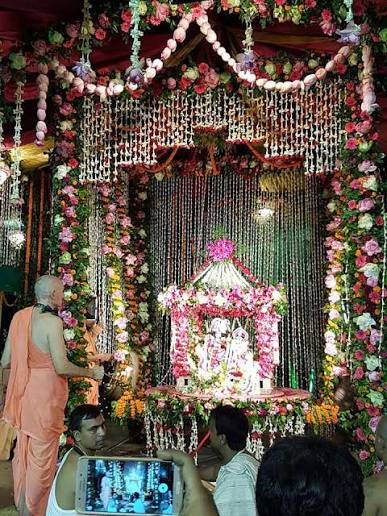
When the monsoon clouds gather over the holy lands of Vrindavan and Mayapur, a gentle melody echoes through ancient temples. As rain cools the parched earth, delicate wooden swings (jhulas) decorated with fragrant jasmine, marigolds, and silk drapes appear in shrines across India. This is Jhulan Yatra, the iconic Monsoon Swing Festival of India—one of the most visually stunning, romantic, and spiritually uplifting celebrations in the Vaishnava tradition.
In 2026, Jhulan Yatra will be celebrated from August 24, 2026 (Sravana Sukla Ekadasi) to August 28, 2026 (Balarama Purnima). Whether you plan to witness the grand swing festivals in the temples of Vrindavan, Mathura, and Mayapur, or simply wish to set up a divine swing at home, this guide explores the history, spiritual significance, key rituals, and travel tips for Jhulan Yatra 2026.
1. What is Jhulan Yatra? The Divine Love Story
Jhulan Yatra commemorates the playful, loving pastimes (leelas) of Lord Krishna and Radha during the monsoon season in the sacred groves of Vrindavan (Vraja).
According to ancient Vaishnava scriptures, the monsoons in Vrindavan bring lush green vines, blooming flowers, and cool breezes after the scorching summer heat. To celebrate this refreshing weather, the Gopis (cowherd maidens) prepared elaborate flower-adorned swings suspended from the branches of Kadamba trees. They would invite Radha and Krishna to sit on the swing, gently rocking them while singing monsoon devotional songs (Kirtans and Hori melodies).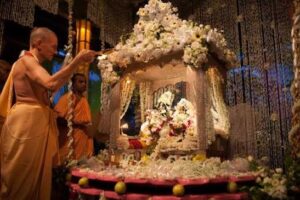
-
Symbolism of the Swing: The back-and-forth movement of the swing symbolizes the rhythmic ebb and flow of divine love, devotion, and cosmic balance.
-
The Spirit of Seva: Unlike other festivals centered on fasting, Jhulan Yatra focuses on Madhurya Bhava (sweet intimate devotion) through personalized loving service (Seva), where devotees pamper the deities with cool breezes, music, and seasonal delicacies.
2. The Five Days of Festivities: Key Rituals and Timeline
Jhulan Yatra spans five continuous days, starting on the eleventh lunar day (Shravana Ekadashi) and culminating on the full moon night (Shravana Purnima / Raksha Bandhan).
Daily Rituals During Jhulan Yatra:
-
Adorning the Deities (Shringar): Every evening, the small metallic idols (Utsava Murti) of Radha and Krishna are dressed in exquisite seasonal silk attire, often featuring intricate threadwork and floral jewelry.
-
The Swing Procession: Deities are placed onto ornate swings made of teak wood, silver, gold, or woven flowers (Phool Bangla).
-
Gentle Swinging (Jhulan): Priests and visiting devotees take turns gently pulling a silk rope attached to the swing.
-
Devotional Music (Kirtan): Classical musicians and congregation members sing monsoon ragas, Padavali Kirtans, and Hare Krishna chants using traditional cymbals (kartals) and drums (mridangam).
-
Special Offering (Chhappan Bhog): The deities are offered seasonal fruits, cool drinks, malpuas, and traditional sweetmeats.
| Destination | Unique Highlights | Best Time to Visit |
| Vrindavan & Mathura | Famous Phool Bangla (flower palaces), historic temples like Banke Bihari, Radha Raman, and ISKCON Krishna Balaram Temple. | Evening Aartis (6:00 PM – 9:00 PM) |
| Mayapur (West Bengal) | World headquarters of ISKCON; massive floral swings with thousands of devotees singing multi-hour Kirtans. | Evening Jhulan Seva (5:00 PM – 8:30 PM) |
| Puri (Odisha) | Celebrated inside the historic Jagannath Temple at the Madan Mohan shrine and Narendra Pokhari. | Night procession |
| Jaipur (Rajasthan) | Historic royal swings displayed at the Govind Dev Ji Temple inside the City Palace complex. | Morning and Evening Darshan |
4. How to Celebrate Jhulan Yatra at Home
You do not need to travel to Vrindavan to participate in this beautiful monsoon festival. Thousands of households celebrate Jhulan Yatra right in their home altars:
-
Step 1: Set Up the Swing: Purchase or craft a small wooden, metal, or brass swing suitable for your home deities or pictures of Radha Krishna.
-
Step 2: Decorate with Nature: Wrap the swing ropes and frame with fresh green vines, jasmine strings, marigolds, and colorful silk ribbons.
-
Step 3: Offer Fresh Flowers & Sweets: Dress your deities in vibrant summer clothing. Offer fresh fruits, sweet panakam (cardamom-flavored jaggery water), and home-cooked milk sweets.
-
Step 4: Swing with Devotion: Gently pull the swing while playing or singing Krishna devotional songs or chanting mantras. Allow children and family members to take turns swinging the Lord.
5. Travel & Safety Tips for Vrindavan and Mayapur in 2026
-
Weather Preparation: August brings heavy monsoon showers across Northern and Eastern India. Carry compact umbrellas, waterproof bags for electronic devices, and quick-drying cotton clothes.
-
Crowd Management: Vrindavan temples like Banke Bihari experience extreme footfall during Jhulan Yatra, leading right into Janmashtami. Visit early in the morning or book gallery passes where available.
-
Stay Reservations: Hotels and ashrams in Vrindavan, Mathura, and Mayapur get fully booked months in advance. Secure accommodation near the main temple corridors by May or June 2026.
Conclusion: A Celebration of Joy, Nature, and Devotion
The Jhulan Yatra is far more than a ritual—it is a sensory celebrate of life, nature, and sacred romance. As the monsoon rain falls outside and the gentle creak of the flower swing syncs with the rhythm of the mridangam, devotees are reminded that divinity is not distant or stern, but approachable, joyous, and loving.