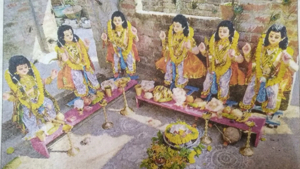
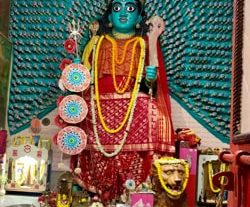
As the dawn breaks over the serene banks of the Hooghly River on Friday, January 23, 2026, a profound sense of peace descends upon the global headquarters of the Ramakrishna Math and Mission. While the rest of Bengal celebrates Saraswati Puja with vibrant street processions and high-energy music, Belur Math offers a stark, beautiful contrast. Here, the worship of the Goddess of Wisdom is not just a ritual—it is a meditative experience, a “Sadhana” that seeks to connect the seeker with the ultimate Truth.
Saraswati Puja at Belur Math is a unique blend of Vedic tradition, the teachings of Sri Ramakrishna Paramahansa, and the vision of Swami Vivekananda. In 2026, as the world moves at an ever-increasing pace, the sanctuary of Belur Math reminds us of the true essence of education: the manifestation of the perfection already in man.
1. The Philosophy: Knowledge as Divinity
At Belur Math, Saraswati Puja is celebrated with a focus on Shuddha Vidya (pure knowledge). According to the Ramakrishna-Vivekananda philosophy, Saraswati is the power of Brahman that enables us to distinguish between the real and the unreal.
Unlike many community Pujas that focus on the external beauty of the idol, the monks and devotees at Belur Math focus on the Prana (life force). The atmosphere is thick with the scent of incense and the vibrations of ancient Sanskrit chants, creating an environment where learning is viewed as a sacred duty.
2. The Rituals: Vedic Precision Meets Devotional Grace
The Puja at Belur Math follows the Kula and Vedic traditions meticulously. In 2026, the ceremonies will begin in the early morning hours, coinciding with the Panchami Tithi.
-
The Idol: The image of Goddess Saraswati at Belur Math is a symbol of simplicity and purity. Clad in white, she represents the stainless nature of the intellect.
-
The Pushpanjali: Thousands of devotees gather in the sprawling courtyards to offer flowers. Unlike the crowded city pandals, the Anjali here is synchronized and meditative. The monks lead the chanting, and the collective voice of the devotees creates a powerful spiritual resonance.
-
Homam (Fire Ritual): One of the highlights is the Havan or Homam, where offerings are made to the sacred fire. This ritual symbolizes the burning away of the “Mala” (impurities) of the mind to make way for the light of wisdom.
3. The Atmosphere: A Sanctuary on the Hooghly
There is something magical about the river breeze at Belur Math on Vasant Panchami.
-
The Architecture: The main temple, which incorporates motifs from Hindu, Christian, and Islamic architecture, serves as the backdrop. It reminds visitors that the “Wisdom” being celebrated here is universal and transcends all religious boundaries.
-
The Silence: Despite the presence of thousands of visitors, there is a disciplined “silence” that prevails. People sit on the banks of the river or in the prayer halls, meditating on the “Bij-mantra” of the Goddess.
[Image: The iconic Belur Math temple silhouette against the morning sun on Saraswati Puja]
4. Hate Khori: A Sacred Initiation
For many parents in 2026, there is no place more auspicious than Belur Math for their child’s Hate Khori (initiation into writing). The monks of the order often assist in this process. A child sitting on the lap of a monastic, tracing their first letters on a slate in the presence of the Holy Mother Sarada Devi’s spirit, is a sight that moves many to tears. It signifies that the child’s education is being started under the guidance of spiritual giants.
5. The “Bhandara” (Prasad): A Taste of Grace
No visit to Belur Math is complete without the Khichuri Prasad. On Saraswati Puja, the kitchen (one of the largest in the country) prepares a simple but divine meal of Khichuri, Labra, and Payesh.
-
The Experience: Sitting in the massive dining halls, where people from all walks of life—rich and poor, young and old—eat together, is a lesson in the equality that true knowledge brings. In 2026, the Mission continues its tradition of serving thousands with impeccable hygiene and selfless devotion (Seva).
6. Visitor Tips for 2026
If you are planning to visit Belur Math on January 23, 2026, here are a few practical tips:
-
Timing: Arrive by 6:30 AM to participate in the early morning prayers and secure a spot for the Pushpanjali.
-
Transport: The most scenic way to arrive is by ferry from Dakshineswar or Kutighat. It prepares your mind for the serenity of the Math.
-
Conduct: Photography is generally restricted inside the shrines. It is best to keep your mobile phones on silent to respect the meditative environment.
-
Dress Code: While there is no strict rule, traditional white or yellow attire is preferred to honor the sanctity of the occasion.
Conclusion: The Light of the Soul
Saraswati Puja at Belur Math 2026 is more than a festival; it is a pilgrimage. It is a day to remind ourselves that the purpose of all “Vidya” (education) is Mukti (liberation). As the sun sets over the Hooghly and the evening Aarti begins, one leaves the Math not just with a stomach full of Prasad, but with a mind that is slightly clearer and a heart that is significantly lighter.
In the presence of the monks and the divine aura of the Math, the Goddess Saraswati truly comes alive—not just in clay, but in the renewed resolve of the devotees to seek truth and serve humanity.