Within the ancient walls of Keoratala Burning Ghat in South Kolkata, the legendary Shamshan Kali (or Shoshan Kali) Puja unfolds each year, casting a mystical spell over devotees and visitors who gather among flickering pyres and the silence of final farewells. Known as one of Kolkata’s oldest and most haunting Kali Puja traditions, the worship of Shamshan Kali represents the raw, transcendent power of the goddess in her most elemental form—a deity who presides over death, transformation, and spiritual liberation.
The Sacred Site: Keoratala Burning Ghat
Keoratala crematorium (established 1862), located on Tollygunge Road, is one of Kolkata’s largest and most historically significant cremation grounds. The area once housed a dense jungle of caraway trees—the source of its name. Over time, the burning ghat evolved with Kolkata’s growth, and today, Keoratala is associated not only with the city’s greatest funerals but also its most intriguing spiritual rituals.
Shamshan Kali: The Goddess of the Cremation Ground
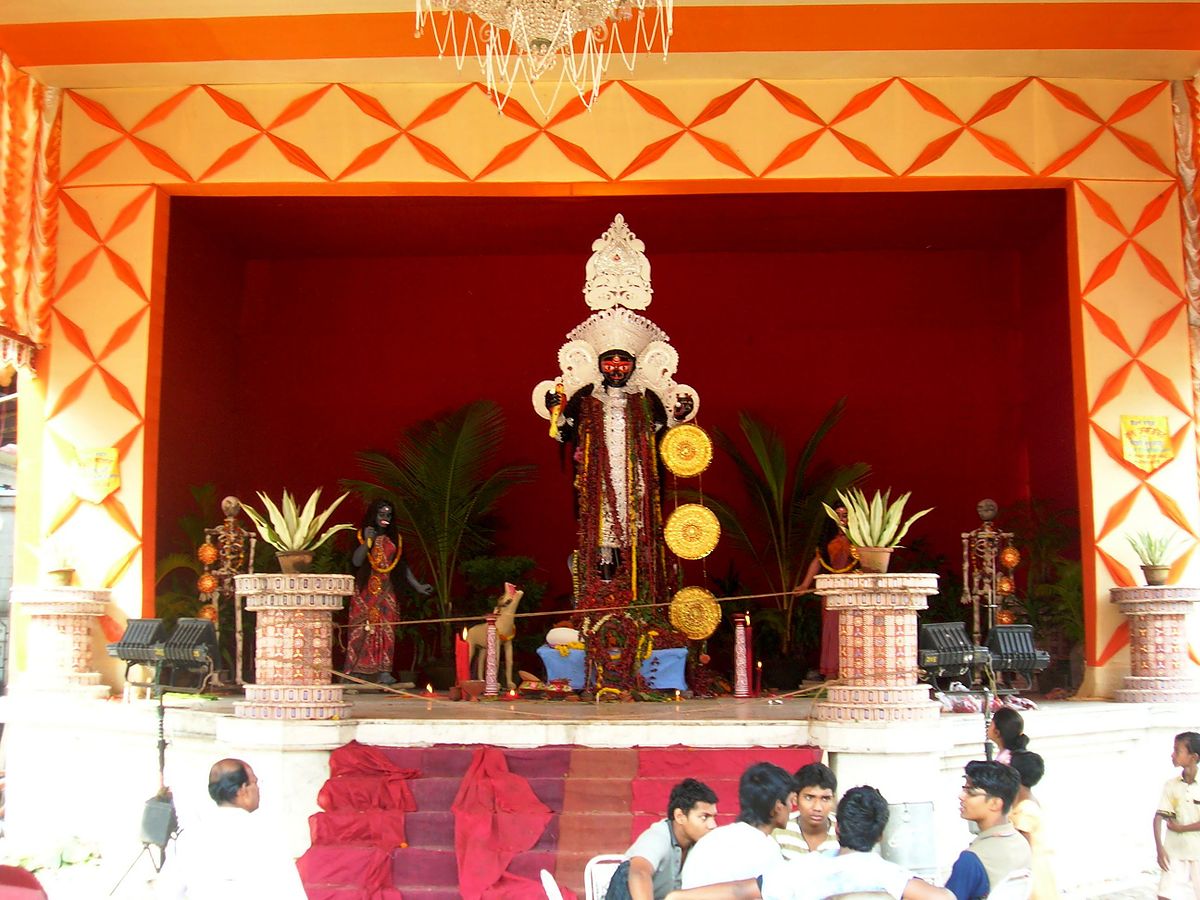
Unlike the more familiar Kalighat or Dakshineswar Kali, the idol of Shamshan Kali at Keoratala is strikingly black, embodying the goddess’s connection to death, destruction, and purification. The Shamshan Kali Puja is “must-visit” for anyone exploring Kolkata’s spiritual depths; it occurs right inside the cremation ground, delivering a unique, even spooky, atmosphere that amplifies the goddess’s fearsome aspect.
On Kali Puja night, as darkness envelops the ghat, devotees gather in the hush broken only by chants and bells. The midnight aarti, performed with intense devotion, is said to invoke the goddess’s power to drive away evil and protect souls making their final journey. The rituals serve as a reminder that Kali, as Shamshan Kali, not only destroys but also liberates, guiding souls across the threshold.
Rituals and Symbolism
-
Nighttime Worship: The puja often begins late at night, continuing through the early hours amidst burning pyres—reinforcing Kali’s dominion over death and rebirth.
-
Offerings: Devotees bring hibiscus flowers, black sesame seeds, and sweets, while priests recite ancient mantras meant to appease the goddess’s fiery form.
-
Spiritual Cleansing: Many offer prayers here for departed loved ones, seeking Moksha—the ultimate liberation from the cycle of birth and death.
The idol itself is a symbol of absolute power, standing quietly beside the flames. Shamshan Kali is invoked not only for personal protection but also as a guide for souls transcending the material world.
Community, Legends, and Modern Resonance
The Shamshan Kali tradition at Keoratala echoes ancient Bengali legends: bandits and dacoits once sought her blessings for courage, while those facing loss believed her rites would dispel fear and offer comfort. Today, the puja draws everyone from grieving families to spiritual seekers, artists, and city historians.
The rituals highlight the belief that Kali is most potent amid life’s endings, reminding worshippers that divine energy endures beyond all boundaries. The temple and its ceremonies are not only religious acts but living links to Kolkata’s past, storytelling, and enduring spiritual resilience.
Why Shamshan Kali at Keoratala Is Unique
-
Oldest, most atmospheric Kali Puja set in Kolkata’s historical cremation ground
-
Midnight aarti and rituals surrounded by burning pyres
-
Powerful black Kali idol symbolizing death, rebirth, and transcendence
-
Deep community roots, legends of dacoits and spiritual protection
-
An experience blending fear, reverence, and spiritual wonder
Shamshan Kali of Keoratala stands as a living emblem of Kolkata’s timeless relationship with the divine and the mortal, a place where every flame is a prayer and every shadow a story. For a complete festival guide and the city’s deepest spiritual secrets, visit https://www.pujo2pujo.com/.